History shows that market volatility often accompanies major technological breakthroughs. As AI and data centre investment accelerates, are we witnessing another speculative bubble or the foundations of a new era of economic growth?


History shows that market volatility often accompanies major technological breakthroughs. As AI and data centre investment accelerates, are we witnessing another speculative bubble or the foundations of a new era of economic growth?
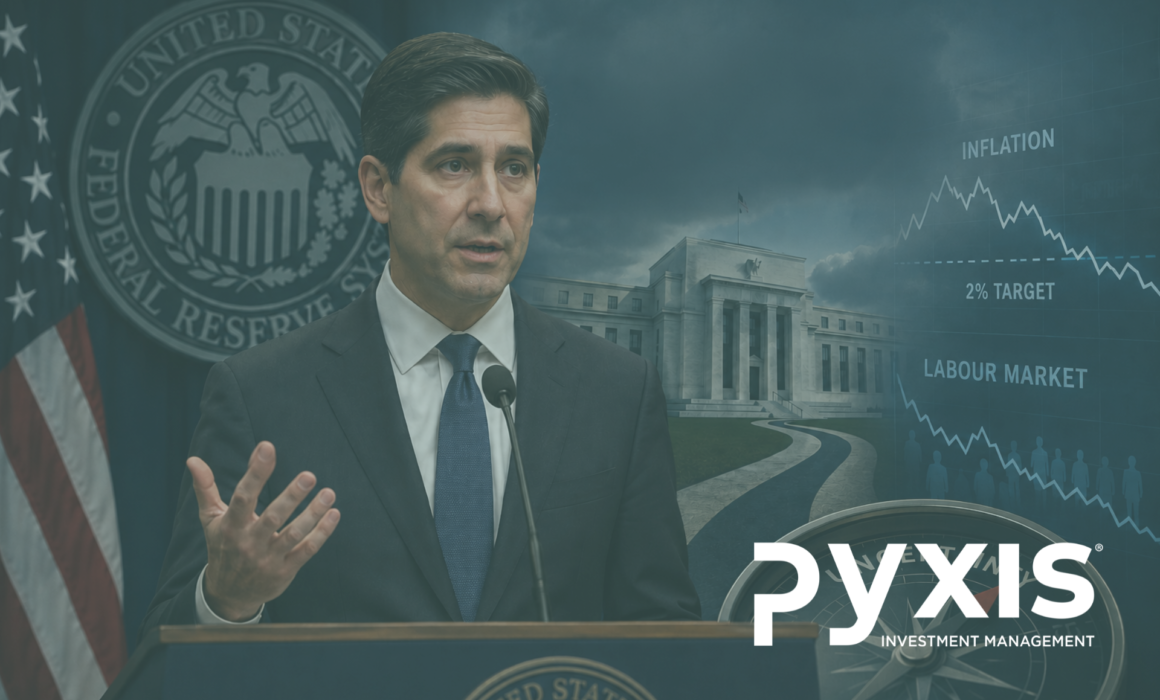
This month, Ashley Knight, CFA focuses on the macro and rates backdrop shaping portfolios; the Federal Reserve under its new chair, an unusually consequential Jackson Hole symposium, and where the South African Reserve Bank stands as it weighs its own next move.
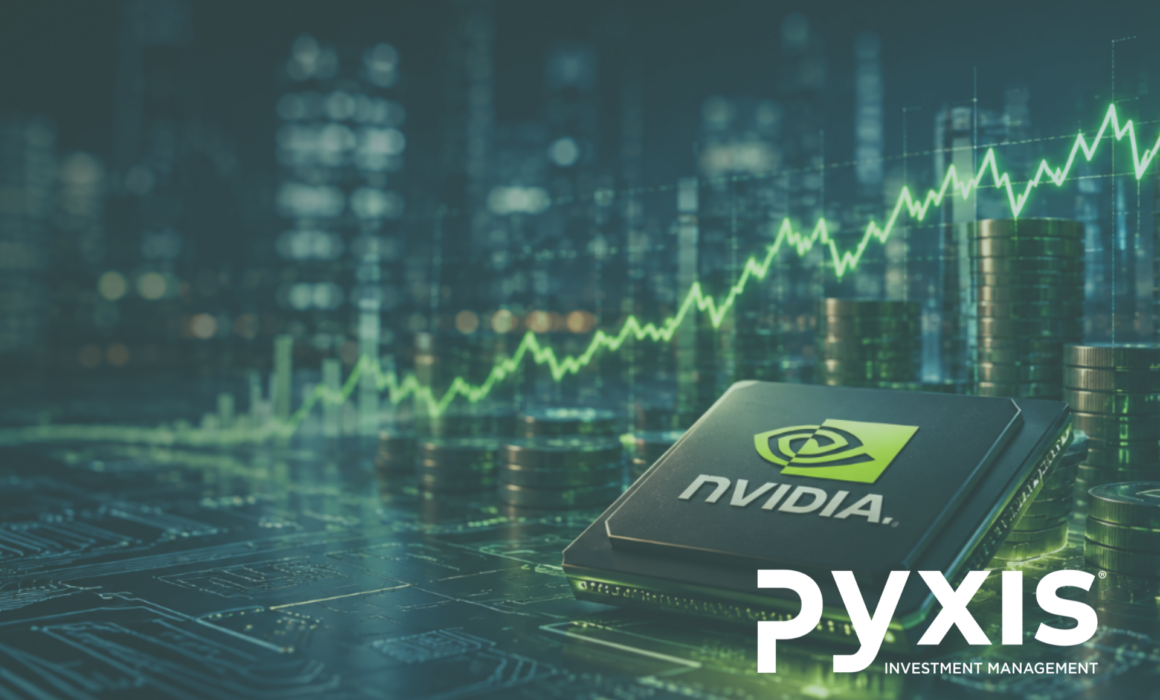
Nvidia is playing an increasingly central role in financing the AI boom, not just supplying the chips. With billions committed to AI infrastructure, questions are growing around how much demand is genuine and how much is being financed. We look at Nvidia’s growing exposure and what investors should be watching.

Strong earnings have been a key driver of US equity markets, but how sustainable is this growth? In this edition, we examine the forces behind US corporate earnings, the relationship between GDP, GNP and company profits, and why investors should be cautious about extrapolating recent trends too far into the future.

Kevin Warsh has officially taken office as Chair of the U.S. Federal Reserve, signalling a potentially significant shift in monetary policy. In this follow-up to last month’s overview of his appointment, we examine his inaugural policy stance, including his views on inflation, balance sheet reduction, regulation, and Fed communication, and explore the implications for global markets and South African investment portfolios.

The Federal Reserve is entering a major transition as Jerome Powell delivers his final meeting and prepares to hand over leadership to Kevin Warsh. His Senate hearing marked a clear shift toward a more hawkish stance, with plans to scale back forward guidance, tighten the balance sheet, and rethink the Fed’s inflation framework.
Markets reacted quickly, with rising yields, equity volatility, and a repricing of rate expectations as investors adjust to a less accommodative policy regime ahead.

Oil remains one of the most powerful forces shaping the global economy. Despite the push toward clean energy, demand continues to rise, not just for fuel, but for its essential role in everyday products and industries. Recent geopolitical tensions have once again highlighted its impact on inflation and the cost of living.
In this month’s newsletter, we explore why oil is far more than just fuel, and why its relevance is set to endure for years to come.

Growth in satellite internet and advances in infrastructure are turning space into a practical global asset.

Episodes of Rand strength tend to generate optimism that outstrips their durability. Each time the currency appreciates meaningfully, like the recent break below R16/USD in January 2026, the same question arises: Has something fundamentally changed? In this edition we look at how history suggests that’s rarely the right question. The more useful one is whether the forces shaping the Rand’s long-term direction have shifted. At present, there’s little evidence that they have.

In this month’s newsletter, Henk Myburgh, CFA, looks at how the valuation of companies’ changes depends on where they are in their lifecycle. He then identifies some companies straddling multiple company stages and how they offer the potential for higher growth.
Pyxis Investment Management (Pty) Ltd, FSP no. 662, is an authorised Financial Services Provider under the Financial Advisory and Intermediary Services Act, 2002.
Copyright © 2022 Pyxis Investment Management (Pty) Ltd. All rights reserved.